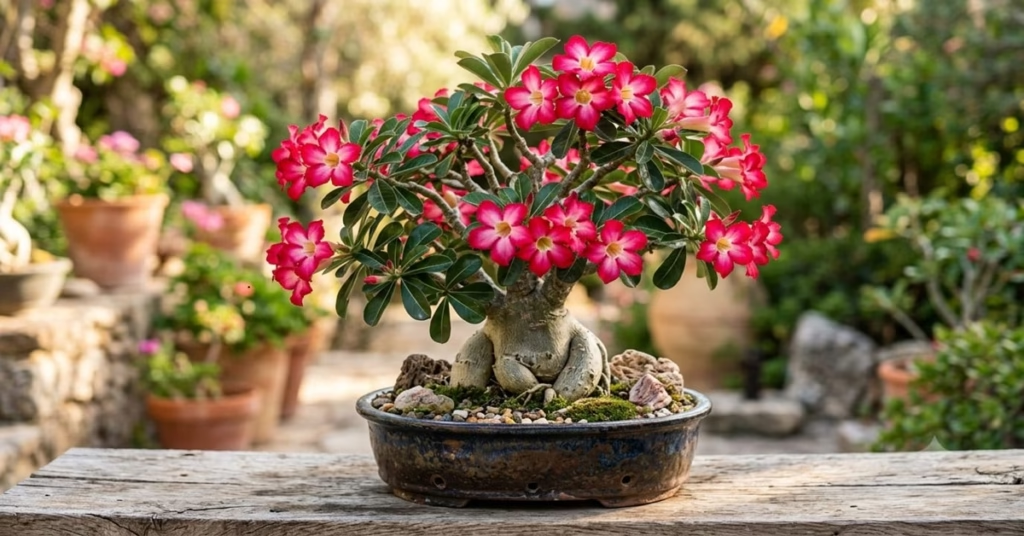
Discover essential care tips for your Desert Rose Bonsai. This stunning succulent is a popular choice for bonsai lovers, thriving in warm climates.
The Desert Rose Bonsai (Adenium obesum) is a stunning miniature tree known for its thick, twisted trunk and vibrant, trumpet-shaped flowers. Native to Africa and the Middle East, this bonsai has gained immense popularity among plant lovers due to its hardy nature, drought resistance, and captivating beauty.
Unlike traditional bonsai trees that require meticulous care, the Desert Rose Bonsai thrives in warm, arid conditions, making it an excellent choice for beginners and experts alike. With its bright pink, red, or white blooms, it adds an exotic charm to any indoor or outdoor garden.
In this guide, we’ll cover everything you need to know about growing, caring for, and styling a Desert Rose Bonsai, ensuring it flourishes year-round.
Understanding the Desert Rose Bonsai
Botanical Name and Origin
The scientific name of the Desert Rose Bonsai is Adenium obesum, and it belongs to the Apocynaceae family. This plant is native to sub-Saharan Africa, the Arabian Peninsula, and Madagascar, where it thrives in dry, sandy environments.
Characteristics and Unique Features
- Thick, swollen trunk (caudex) stores water, making it highly drought-tolerant.
- Beautiful, trumpet-shaped flowers in various shades of pink, red, white, and even yellow.
- Glossy, dark green leaves that contrast beautifully with its flowers.
- Slow-growing nature, making it ideal for bonsai cultivation.
This bonsai tree is both an ornamental masterpiece and a resilient plant, capable of surviving extreme heat and minimal watering.
Choosing the Right Desert Rose Bonsai
Selecting a Healthy Plant
When buying a Desert Rose Bonsai, look for the following:
- Thick, firm caudex (a sign of good health)
- Green, healthy leaves (no yellowing or spots)
- No signs of pests such as mealybugs or spider mites
Best Varieties for Bonsai Cultivation
While Adenium obesum is the most common species, some hybrid varieties have unique flower colors and growth habits. Consider:
- Adenium arabicum – More compact growth, perfect for bonsai.
- Adenium multiflorum – Produces abundant flowers.
- Adenium somalense – Has an elongated trunk, ideal for artistic bonsai styles.
Ideal Growing Conditions for Desert Rose Bonsai
Light Requirements
- The Desert Rose Bonsai loves sunlight and needs at least 6 hours of direct sunlight daily.
- If grown indoors, place it near a south-facing window or use grow lights.
Temperature and Humidity Needs
- Thrives in warm temperatures (65–90°F or 18–32°C).
- Cannot tolerate frost; should be brought indoors in winter if temperatures drop below 50°F (10°C).
Best Soil Composition
A well-draining, sandy soil mix is essential. The best soil mix includes:
- 50% perlite or pumice (for drainage)
- 40% cactus potting mix (for nutrients)
- 10% organic compost (for added fertility)
How to Plant a Desert Rose Bonsai
Pot Selection and Drainage
- Choose a shallow bonsai pot with drainage holes.
- A ceramic or clay pot is best, as it allows air circulation around the roots.
Planting Techniques
- Fill the pot with a well-draining soil mix.
- Place the bonsai plant in the center, ensuring the caudex is slightly above soil level.
- Cover the roots with soil and gently press it down.
- Water lightly to settle the soil but avoid overwatering.
Watering and Fertilizing the Desert Rose Bonsai
How Often to Water
- Water once every 7–10 days during the growing season (spring & summer).
- Reduce watering in winter, as the plant enters dormancy.
- Always allow the soil to dry out between watering.
Choosing the Right Fertilizer
- Use a balanced, slow-release fertilizer (10-10-10) every 4-6 weeks.
- During flowering season, use a high-phosphorus fertilizer (5-10-10) to boost blooms.
Pruning and Shaping Techniques
Best Time to Prune
Pruning is essential to maintain the bonsai’s compact shape and encourage branching. The best time to prune a Desert Rose Bonsai is during its active growing season, spring and early summer. Avoid pruning in winter, as the plant enters dormancy and may struggle to recover.
Wiring for Bonsai Styling
While pruning helps shape the tree, wiring is another technique used to train its branches into artistic styles. However, due to the plant’s thick and brittle branches, wiring must be done with caution.
- Use soft aluminum wire to gently guide young branches.
- Avoid wrapping the wire too tightly, as the plant’s fast growth can cause scarring.
- Check the wiring every 3-4 weeks and adjust as necessary.
Common bonsai styles
- Formal Upright (Chokkan) – Straight trunk with symmetrical branches.
- Slanting (Shakan) – Trunk leans slightly to one side.
- Cascade (Kengai) – Trunk and branches droop downward, mimicking a tree growing on a cliff.
Repotting the Desert Rose Bonsai
When and How to Repot
Repotting is necessary every 2-3 years to refresh the soil and prevent root-bound issues. The best time to repot is early spring, before new growth begins.
Steps to Repot a Desert Rose Bonsai
- Carefully remove the plant from its current pot.
- Gently shake off old soil and trim any long, unhealthy roots.
- Prepare a new pot with fresh, well-draining bonsai soil.
- Replant the bonsai, ensuring the caudex remains slightly above soil level.
- Water lightly and place it in a warm, shaded area for a few days to recover.
Common Pests and Diseases
Prevention and Treatment Methods
Despite being hardy, the Desert Rose Bonsai is vulnerable to some pests and diseases:
Common Pests:
- Mealybugs – Small, white cotton-like insects that suck plant sap. Solution: Wipe with alcohol or apply neem oil.
- Spider Mites – Tiny red or brown pests causing leaf discoloration. Solution: Use insecticidal soap.
- Aphids – Green or black insects that cluster on new growth. Solution: Rinse off with water or spray neem oil.
Common Diseases:
- Root Rot – Caused by overwatering and poor drainage. Solution: Let soil dry out completely before the next watering.
- Leaf Spot – Fungal infection leading to brown or yellow patches. Solution: Remove affected leaves and apply fungicide.
Seasonal Care Guide
How to Care for Desert Rose Bonsai in Different Seasons
Spring & Summer: (Active growth)
- Increase watering frequency.
- Apply balanced fertilizer every 4-6 weeks.
- Prune and shape the bonsai.
Autumn & Winter: (Dormancy period)
- Reduce watering to once every 2-3 weeks.
- Stop fertilizing to allow the plant to rest.
- Move indoors if temperatures drop below 50°F (10°C).
Propagating Desert Rose Bonsai
Growing from Seeds
Growing a Desert Rose Bonsai from seeds is a rewarding but slow process.
- Soak seeds in warm water for 6-12 hours to speed up germination.
- Plant in a well-draining soil mix and cover lightly.
- Keep soil moist but not soggy, and maintain temperatures of 75-85°F (24-29°C).
- Seeds will sprout in 7-14 days.
Propagation by Cuttings
For faster results, propagating via cuttings is a better option.
- Cut a 4-6 inch healthy stem from a mature plant.
- Let it dry for 1-2 days to form a callus.
- Dip in rooting hormone and plant in sandy soil.
- Water lightly and place in bright, indirect light.
Styling and Displaying Your Bonsai
Popular Bonsai Styles for Desert Rose
- Informal Upright (Moyogi) – Natural, slightly curved trunk.
- Twin Trunk (Sokan) – Two trunks emerging from the same base.
- Broom Style (Hokidachi) – Branches fan out like an umbrella.
Creative Display Ideas
- Place the bonsai on a decorative bonsai stand for an elegant look.
- Use Japanese-inspired pots to enhance its aesthetic appeal.
- Create a mini rock garden around the bonsai for a Zen-inspired display.
Troubleshooting Common Issues
Yellowing Leaves
- Cause: Overwatering, poor drainage, or lack of sunlight.
- Solution: Reduce watering, improve soil aeration, and place in bright light.
Lack of Flowers
- Cause: Too much nitrogen in fertilizer or insufficient sunlight.
- Solution: Use a high-phosphorus fertilizer and ensure at least 6 hours of sunlight daily.
Overwatering and Underwatering Problems
- Overwatering: Leaves become mushy and fall off. Solution: Allow soil to dry before watering again.
- Underwatering: Leaves become dry and wrinkled. Solution: Increase watering frequency, especially in hot weather.
Benefits of Growing Desert Rose Bonsai
Aesthetic and Therapeutic Benefits
- Adds a unique and exotic touch to home décor.
- Caring for bonsai reduces stress and anxiety.
- A perfect plant for meditative and mindful gardening.
Cultural and Symbolic Significance
- In many cultures, the Desert Rose is a symbol of resilience and prosperity.
- In Feng Shui, it is believed to attract positive energy and good luck.
Conclusion
The Desert Rose Bonsai is an excellent choice for bonsai lovers due to its low-maintenance nature, stunning flowers, and unique trunk shape. By providing the right balance of sunlight, water, and nutrients, you can enjoy a healthy and thriving bonsai for years to come.
Whether you’re a beginner or an experienced gardener, this bonsai offers beauty, charm, and a rewarding experience. Follow this guide, and you’ll master the art of growing and styling a Desert Rose Bonsai effortlessly!
FAQs
How often should I water my Desert Rose Bonsai? Water once every 7-10 days during active growth and reduce watering in winter to prevent root rot.
Why is my Desert Rose Bonsai not flowering? It may lack sunlight or need a high-phosphorus fertilizer. Ensure at least 6 hours of direct sun daily.
Can I grow a Desert Rose Bonsai indoors? Yes! Place it near a south-facing window or use grow lights for adequate sunlight.
How do I make the caudex of my Desert Rose Bonsai thicker? Expose the caudex by planting it slightly above soil level and prune regularly to direct energy to the base.
What is the lifespan of a Desert Rose Bonsai? With proper care, it can live over 20 years, growing more beautiful with time.
